

Op-Ed: When It Comes to Secure and Fair Elections, Trust Matters
As technology continues to evolve, so do the ways Americans seek information. Increasingly, people turn to social media artificial intelligence tools to answer everyday questions. From what started as a new type of search engine for planning a vacation or researching a school assignment, some AI users are now using these same tools to obtain information about voting and elections.
While these technologies offer tremendous potential, voters should exercise extreme caution when relying on AI-generated responses for election information.
A recent study cited by The Hill found that nearly one-third of election-related responses provided by popular AI chatbots were incomplete, inaccurate, or outdated. The researchers discovered examples of chatbots providing incorrect Election Day information, outdated voter registration requirements, inaccurate election deadlines, and even omitted details that voters need to be eligible to cast a ballot.
That finding should concern us all.
The right to vote is one of the most fundamental in the United States. Missing a registration deadline, misunderstanding ID requirements, or receiving incorrect location information for voting could result in a voter missing the opportunity to vote in an election.
So how can AI tools, with their seemingly endless potential and ability to adapt, get basic information wrong?
It's because election information is not static. Deadlines change. Procedures vary from year to year. Laws are amended. Election deadlines differ from state to state.
AI systems are only as reliable as the information they have available. Unlike trained election officials, AI tools may incorrectly rely on outdated sources, incomplete information, summaries instead of statutory text, and generalized data that does not accurately reflect current election procedures specifically in West Virginia.
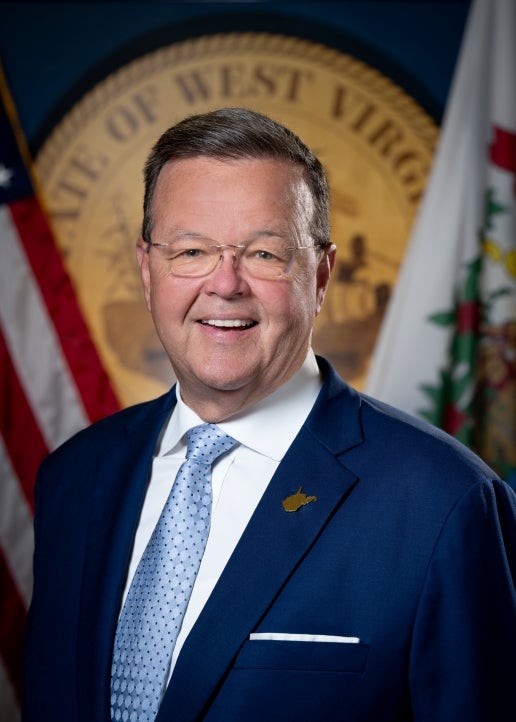
As Secretary of State, I want every eligible West Virginian to have access to accurate, trustworthy election information.
That is why I encourage voters to treat AI-generated election information as a starting point, but never as the final authority.
If a chatbot provides information about voter registration, absentee voting, polling locations, ID requirements, or election deadlines, take the extra step to verify that information through official sources: the Secretary of State's Office and your local county clerk's office.
Election officials work year-round to maintain accurate voter registration records, update election calendars, administer voting procedures, and provide factual information to the public. These are the individuals charged by law with conducting elections and helping voters navigate the process.
Everything a voter needs to know about the upcoming November 3rd General Election can also be found on the WV Secretary of State's Office official election webpage at GoVoteWV.com.
Unfortunately, we live in an era when misinformation spreads quickly. Sometimes, it is intentional. Sometimes, it is simply the result of outdated or incomplete information. Either way, inaccurate election information can create confusion, undermine confidence in our elections, and even prevent someone from having the opportunity to vote.
The best defense against misinformation is verification.
Before sharing election-related information with family, friends, or on social media, ask a simple question: "Did this information come from an official source?"
If the answer is no, take a moment to verify it.
Start with GoVoteWV.com to check important election deadlines, register to vote, confirm voter registration status, locate polling places, review election resources, and find county clerk contact information. Or you can refer to a local election official's website.
Official sources provide certainty that no chatbot, social media post, or online rumor can guarantee.
Technology will continue to shape how citizens interact with government, and our office welcomes innovations that make information more accessible. But no matter how sophisticated AI becomes, there is no substitute for information that comes directly from election officials.
As we approach the upcoming General Election, I encourage every voter to verify before they trust, confirm before they share, and rely on official sources for election information.
Secure and fair elections work best when voters have confidence that the information they receive is accurate. Together, we can ensure that every eligible West Virginian has the facts they need to make their voice heard at the ballot box.
Legal Disclaimer:
EIN Presswire provides this news content "as is" without warranty of any kind. We do not accept any responsibility or liability for the accuracy, content, images, videos, licenses, completeness, legality, or reliability of the information contained in this article. If you have any complaints or copyright issues related to this article, kindly contact the author above.
